2026 Top Door Frame Trends What to Expect
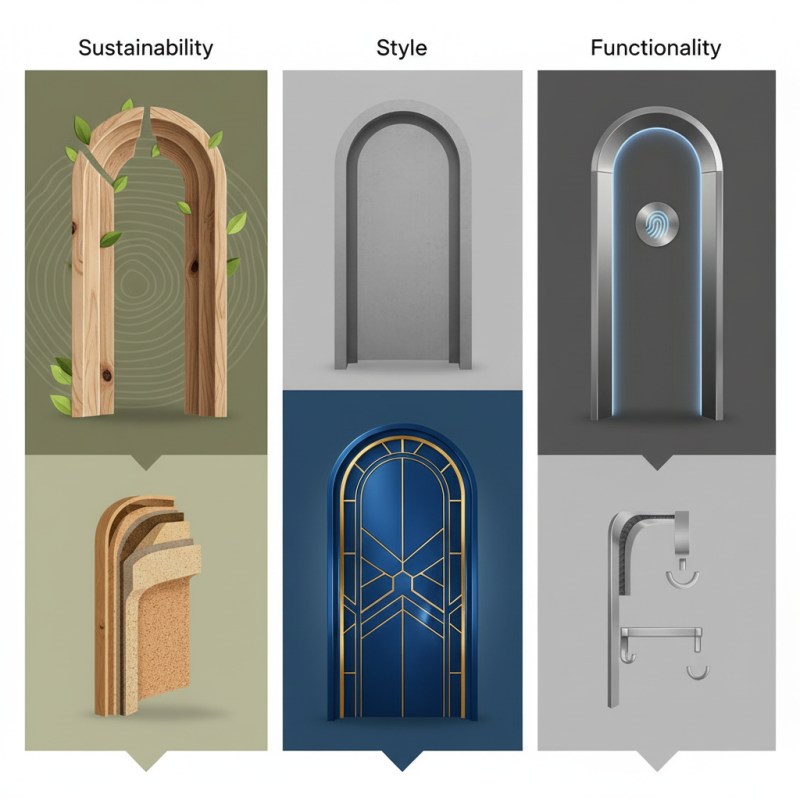
As we approach 2026, the realm of interior design is set to embrace exciting developments in door frames. Door frames are more than mere structural elements; they define space and enhance aesthetics. The upcoming trends will emphasize sustainability, style, and functionality.
Natural materials and minimalist designs are making a strong comeback. Expect door frames crafted from reclaimed wood or eco-friendly materials. These options not only appeal to the environmentally conscious but also offer unique character. Some trends might be overly simplistic or not universally appealing. Designers must balance beauty and practicality to avoid creation pitfalls.
Color choices will also shift in 2026. Bold hues and striking finishes are on the rise for door frames, challenging traditional neutral palettes. This focus on individuality can lead to overwhelming choices, forcing homeowners to reflect on their preferences. Ultimately, the door frame trends of 2026 promise a blend of innovation and introspection, inviting us to rethink our spaces.
Emerging Materials for Door Frames in 2026
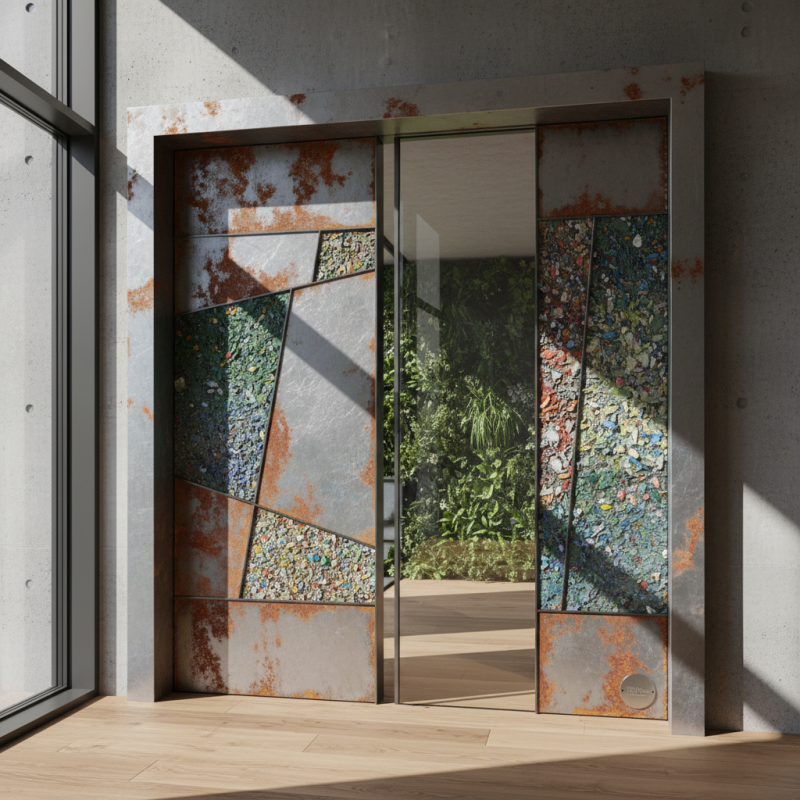
As we look ahead to 2026, the door frame industry is set to embrace remarkable shifts. Emerging materials will redefine not only aesthetics but also functionality. One notable trend is the use of recycled materials. These options are both eco-friendly and stylish. Recycled metal frames, for example, provide strength while adding a contemporary touch to homes.
Another exciting material is composite wood. This option combines the beauty of natural wood with the durability of synthetic materials. It withstands moisture and pests better than traditional wood. The challenge lies in balancing sustainability with appearance. Homeowners often want authentic looks but remain cautious about environmental impact.
New technologies will play a vital role. Smart door frames integrated with sensors are gaining traction. They promise enhanced security and convenience. However, this innovation poses questions about privacy and data security. People are beginning to wonder if technological advancements benefit them entirely or create new issues.
Innovative Design Styles Shaping Door Frame Aesthetics
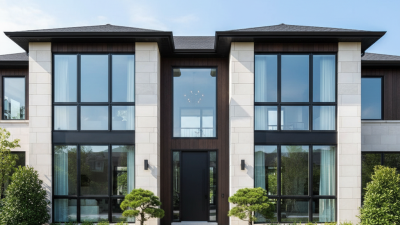
The door frame design landscape is evolving rapidly. In 2026, expect a surge of innovative styles that blend functionality and aesthetics. Geometric shapes are making a statement. Simple lines create a modern touch, while curves add an unexpected twist. The minimalistic approach is popular, but it often lacks warmth. This trend invites further exploration of textures and materials.
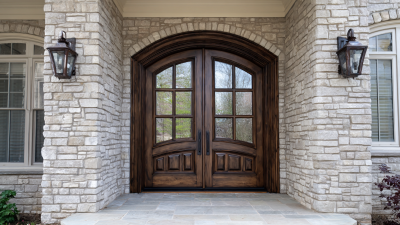
Natural wood finishes have gained traction, offering a rustic feel. Yet, some designs may appear too raw or unfinished. Mixing metals with wood could remedy this. Metallic accents provide contrast and durability. Color choices are shifting too. Bold hues can catch the eye, but a risky choice might overpower a space. Soft pastels seem preferable for creating calming environments.
Sustainable materials are on the rise as well. Eco-friendly options reflect a growing awareness of our planet. However, some products may compromise on design or longevity. Striking a balance is vital. The challenge lies in combining innovative elements while ensuring practicality. As we look towards 2026, expect door frames that encourage creativity but also demand careful consideration from designers and homeowners alike.
Sustainability Trends in Door Frame Production
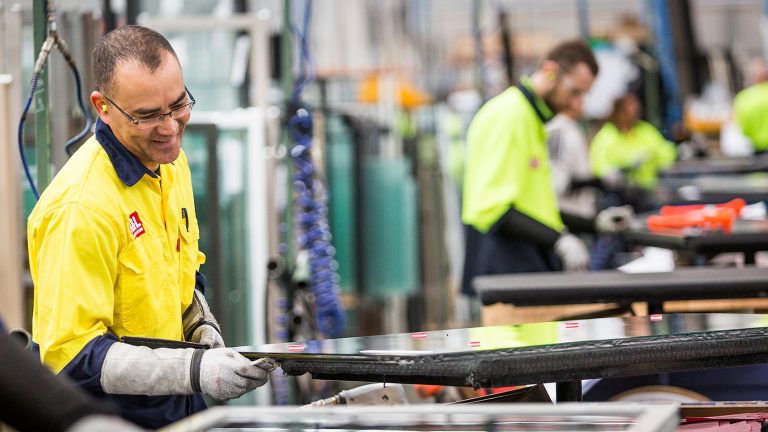
Sustainability is becoming crucial in door frame production. Recent reports indicate that 75% of consumers prefer sustainable materials. This shift is prompting manufacturers to explore eco-friendly alternatives, such as recycled wood and aluminum. Traditional methods often create significant waste. By adopting sustainable practices, production can minimize environmental impact.
Innovative companies are investing in technology to enhance sustainability. For instance, some are using digital tools for precision cutting, which reduces scrap material. This technology not only saves resources but also cuts costs. However, the initial investment in sustainable practices can be substantial. Many businesses struggle with the transition. They often need to balance cost and eco-friendliness.
The demand for sustainable door frames is rising. A study found that 60% of architects prioritize green materials in their projects. This creates a market shift, but not all manufacturers can keep up. Awareness and education about sustainable options are necessary. Consumers need to understand the benefits of choosing eco-friendly door frames.
Smart Technology Integration in Modern Door Frames
In 2026, smart technology will dramatically change door frames. This is not just a trend but a necessity. A recent industry report shows that 55% of homeowners prioritize smart features in renovations. Door frames will now seamlessly integrate technology.
Incorporating smart locks is one way to enhance security. Imagine a door that unlocks as you approach. Sensors detect your presence. This can elevate home security. But some may find these systems complex. Understanding the setup can require a learning curve.
Furthermore, energy efficiency will play a major role. Smart door frames could monitor temperature and adjust accordingly. This can save energy and reduce costs. However, not every technology is foolproof. Issues with connectivity might arise. It's crucial to evaluate how technology interacts with building materials.
Tips for upgrading your door frame include conducting thorough research on options. For instance, assess the compatibility of smart devices with your existing setup. Don’t rush into decisions; consider your lifestyle needs. Always keep in mind that technology should simplify your daily routine, not complicate it.
2026 Top Door Frame Trends: Smart Technology Integration
Color Trends for Door Frames in Contemporary Architecture
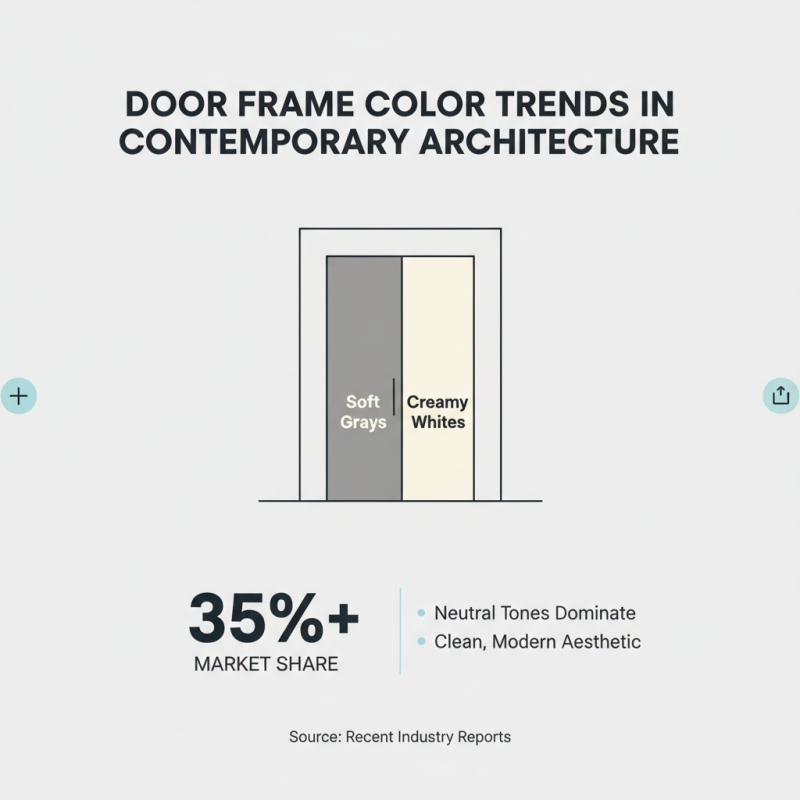
The trends for door frame colors in contemporary architecture are evolving rapidly. Recent industry reports show that neutral tones, like soft grays and creamy whites, dominate the market, accounting for over 35% of new constructions. These colors create a clean backdrop, allowing architectural features to shine.
However, bold colors are making a return. Vibrant hues, such as deep blues and forest greens, appeal to homeowners seeking personality in design. Data from design surveys indicate that 25% of architects prefer using unexpected colors to break traditional aesthetics. This creates visual interest but also raises questions about long-term taste.
Material choice plays a role in color effectiveness. Wood frames painted in rich tones can enhance warmth. Yet, some may fade over time, requiring maintenance. Metal frames offer durability but often limit color options. As trends shift, architects face the challenge of balancing creativity with practicality. Color decisions can define moods and spaces. What works today may fade tomorrow; this requires thoughtful consideration.