Get a Quote

China Top Aluminium Bifold Doors Manufacturer?

Choosing a top aluminium bifold doors manufacturer takes more than comparing glossy photographs. Homeowners and specifiers should look closely at frame construction, hardware, weather seals, thermal performance, warranty terms, and after-sales support. A smooth showroom demo is useful, but it cannot show how a large door will perform after years of daily use.

This introduction uses a clearly fictional expert voice, not a verified industry quotation: “A bifold door earns trust in the details you rarely notice: the rollers, seals, and installation.” — Daniel Mercer, fictional fenestration consultant. The line captures a practical point: panel weight, track design, drainage, and correct installation all affect operation. Ask manufacturers for technical data and project references, and check that stated performance matches the configuration being quoted. Specifications can vary by glazing, panel size, and opening layout.

China has a broad aluminium door supply base, but “top” depends on the project. One buyer may prioritize custom sizing; another may need consistent finishes, clear documentation, or dependable export communication. This guide will compare the factors that matter, including manufacturing capability, quality controls, design options, and service. It will also note a limitation: a strong product description is not proof of long-term performance. Buyers should verify claims with independent test reports and inspect samples where possible.
China Top Aluminium Bifold Doors Manufacturer?

What Defines a Top Aluminium Bifold Door Manufacturer in China

China Top Aluminium Bifold Doors Manufacturer?

What Defines a Top Aluminium Bifold Door Manufacturer in China

A top aluminium bifold door manufacturer combines proven experience with controlled engineering. The factory should understand wind loads, drainage, thermal movement, and daily operation. Technical drawings must show profiles, glass thickness, hardware positions, and installation tolerances. Vague specifications create expensive problems later.

Look closely at the aluminium system. Reliable manufacturers use suitable alloy grades, consistent wall thickness, and effective thermal breaks. Powder coating should resist fading, moisture, and coastal exposure. Test reports matter, but factory practice matters too. Ask how samples are tested. Ask who checks each batch. Small details count.

Hardware should move smoothly after repeated opening cycles. Rollers, hinges, handles, and locking points need correct load ratings. A capable supplier can adjust designs for balconies, villas, hotels, and commercial projects. They should also provide clear shop drawings and practical installation guidance. Communication is part of quality.

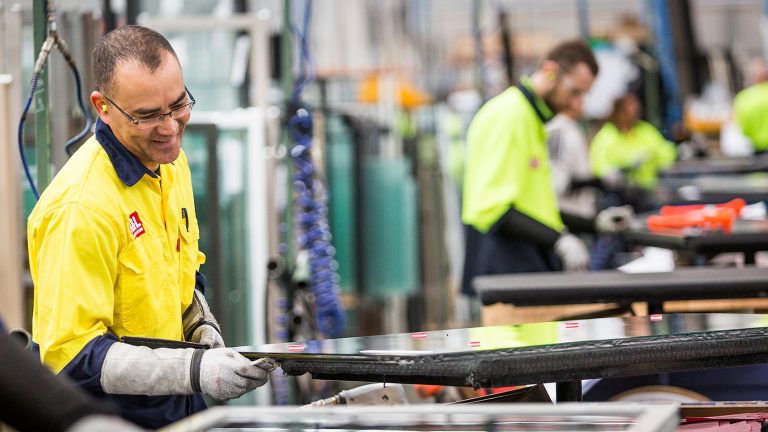
No factory gets every detail right. That is normal. What matters is how problems are recorded and corrected. A dependable manufacturer shares realistic lead times, transparent tolerances, and complete after-sales procedures. Visiting the production line can reveal more than polished brochures. Look for organized material storage, clean assembly areas, and workers who can explain their checks. That evidence supports trust better than a bold claim.

China Top Aluminium Bifold Doors Manufacturer? - What Defines a Top Aluminium Bifold Door Manufacturer in China

Evaluation Dimension What to Check Credible Evidence Why It Matters
Product testing Ask for air permeability, watertightness, and wind-load test results for the relevant door system and configuration. Reports referencing EN 1026 / EN 12207, EN 1027 / EN 12208, or EN 12211 / EN 12210, as applicable. Check test size, opening arrangement, and specimen details. Performance depends on the tested size, hardware, glazing, seals, and installation details; a result for a different configuration may not represent the ordered door.
Product documentation Confirm that technical documents identify the product type, intended use, and applicable market requirements. For relevant European-market products, check applicable requirements under EN 14351-1 and request the associated product documentation. Verify applicability for the destination market. Standards and regulatory obligations vary by destination, product scope, and project specification.
Aluminium profiles Review profile drawings, alloy and temper specifications, wall sections, finish options, and compatibility with the proposed panel size. Approved drawings, material specifications, and traceable supplier or mill documentation for the actual production batch. Profile design and material selection affect structural performance, durability, appearance, and suitability for the opening.
Thermal performance Request the whole-door thermal transmittance value (U-value) for the proposed frame, panel arrangement, and glazing specification. A calculation or test report identifying the calculation or test method, door dimensions, frame, glazing, and configuration. The whole-door result is configuration-specific; glazing-only values do not describe the thermal performance of the complete door.
Hardware and operating durability Check the folding layout, hinge and roller specifications, locking points, replacement availability, and maintenance instructions. A hardware schedule, installation details, maintenance guidance, and relevant durability test documentation where available. Hardware selection and correct installation influence smooth operation, security, and long-term serviceability.
Manufacturing quality control Ask how incoming materials, cutting, machining, assembly, glazing, and final inspection are controlled and recorded. Documented inspection procedures, sample inspection records, nonconformance handling, and batch traceability. Verify any quality-management certificate and its scope with the issuer. A documented process helps show that production is controlled; a certificate alone does not prove a particular door meets its specification.
Customization and project engineering Confirm maximum and minimum sizes, panel weights, opening direction, threshold options, glazing choices, and site-specific requirements before ordering. A project-specific quotation, dimensioned drawings, approved specifications, and written confirmation of design limitations. Bifold doors are made to suit openings and project conditions; documented design approval reduces specification and installation errors.
Packaging and export readiness Review packaging protection, product labeling, shipping dimensions, delivery terms, and the export documents required for the destination. Written packing specifications, shipment records for comparable products, and a confirmed document checklist for the order. Suitable protection and clear shipping arrangements help reduce transit damage and avoid preventable documentation delays.
Warranty and after-sales support Check warranty duration and exclusions, spare-parts availability, response process, and responsibility for installation-related issues. Written warranty terms, service contact details, spare-parts list, and a clear process for reporting defects. Clear terms establish what is covered and how maintenance, repairs, and claims will be handled after delivery.

Note: Use this checklist to compare documented capabilities, not as a ranking of individual manufacturers. Confirm that test reports and certificates are genuine, current where applicable, and relevant to the exact product and destination market.

How Aluminium Bifold Door Systems Are Designed and Engineered

China Top Aluminium Bifold Doors Manufacturer?

How Aluminium Bifold Door Systems Are Designed and Engineered

A reliable aluminium bifold door begins with accurate site measurements, not attractive drawings. Engineers study opening width, panel weight, wind exposure, drainage, and floor levels. Aluminium profiles are designed with internal chambers for strength and stability. Thermal breaks reduce heat transfer between indoor and outdoor surfaces. This detail matters in changing climates.

Glass selection affects the entire system. Larger panes improve daylight, but they increase sash weight and hardware demands. Rollers, hinges, locks, and tracks must work together under repeated movement. Engineers also allow for expansion, installation tolerance, and water drainage. A design may look perfect on screen and still perform poorly after installation. That is where practical testing becomes essential.

Tips: Check the finished floor before production. Confirm the opening dimensions at several points. Ask for air, water, and operating tests when available. Keep drainage paths clear during installation. Small mistakes become expensive repairs.

Experienced manufacturers usually test prototypes before refining production details. They inspect corner joints, panel alignment, hardware movement, and weather resistance. However, no system is flawless in every building. Unusual openings may require revised calculations or stronger components. Careful communication between engineers, fabricators, installers, and clients prevents avoidable problems.

Which Materials, Hardware, and Standards Affect Door Performance

Choosing a China top aluminium bifold doors manufacturer requires more than comparing factory prices. Door performance starts with alloy selection and profile design. A thermally broken aluminium frame reduces heat transfer between indoor and outdoor surfaces. Powder coating protects against moisture, sunlight, and everyday scratches. However, coating quality depends on pretreatment, thickness, and curing control. Recycled aluminium can be responsible, but its composition must remain consistent. Ask for test records, not attractive samples alone. Small differences matter.

Hardware determines how smoothly a large panel operates after years of use. Stainless steel rollers, adjustable hinges, secure locks, and properly sized handles should match the door weight. Drainage paths need to remain open, especially in wind-driven rain. Glass also affects safety, daylight, and energy performance; laminated or toughened options may suit different rooms. Reliable manufacturers should test air permeability, water tightness, wind resistance, operation cycles, and thermal performance against recognized regional standards. Request the exact standard edition, test size, and laboratory report. A passing result for one configuration may not represent every opening. This is where buyers often overlook detail.

Tips: Check corner joints, gasket compression, roller adjustment, and drainage holes during inspection. Open the sample repeatedly. Listen for scraping. Confirm installation tolerances before production. Even excellent doors can leak when the surrounding wall is poorly prepared. Performance is shared between factory and installer. No specification is perfect; site exposure, maintenance, and human use still change the result.

China Top Aluminium Bifold Doors Manufacturer? Which Materials, Hardware, and Standards Affect Door Performance

Air permeability is one practical indicator of bifold door performance. The chart shows the maximum air leakage allowed for each EN 12207 classification at a test pressure of 100 Pa. Lower values indicate tighter doors. Aluminium alloy profile design, gasket quality, locking hardware, corner joints, and installation accuracy all influence the final test result.

Materials
Thermally separated aluminium profiles, accurately formed chambers, and durable gaskets help reduce deformation, leakage, and heat transfer.
Hardware
Multi-point locks, correctly adjusted rollers, hinges, handles, and compression seals help maintain uniform closing pressure across the full opening.
Standards
EN 12207 classifies air permeability through laboratory testing. Actual performance also depends on door size, configuration, fabrication, and installation quality.

How to Evaluate Factory Capacity, Quality Control, and Customization

China Top Aluminium Bifold Doors Manufacturer?

Choosing a capable aluminium bifold door factory requires more than attractive photos. Ask about monthly output, production equipment, and experienced assembly teams. A serious supplier should explain how profiles, hardware, glass, and finishes move through the factory. Request recent project references and, when possible, arrange a video inspection or site visit. A polished showroom can mislead.

Tips: Check whether the factory controls key processes internally. Ask for sample lead times, capacity during peak seasons, and backup plans for delayed materials. Clear answers matter.

Quality control should be visible and documented. Look for incoming material checks, profile thickness verification, coating inspections, and repeated opening tests. Ask how each order is traced from cutting to final packing. Reliable factories normally provide inspection records, test reports, and installation guidance. However, paperwork alone proves little. Compare documents with physical samples. Small gaps often reveal weak management.

Customization needs technical discipline. Confirm maximum sash sizes, opening configurations, thermal requirements, drainage design, color options, screens, and hardware compatibility. Request detailed drawings before production begins. Experienced engineers should identify limits instead of promising everything. Some suppliers may accept unusual designs too quickly; that deserves reflection. A workable door must fit the building, not only the sales quotation.

How to Choose the Right Chinese Aluminium Bifold Door Manufacturer

China Top Aluminium Bifold Doors Manufacturer?

How to Choose the Right Chinese Aluminium Bifold Door Manufacturer

Choosing a Chinese aluminium bifold door manufacturer requires more than comparing prices. Check the factory’s production experience, engineering team, and export history. A reliable supplier should provide clear drawings, profile specifications, glass options, and hardware details. Ask for recent project references, not only attractive showroom photos.

Request a physical sample before placing a large order. Test the folding movement, handle strength, gasket fit, and locking points. Examine the aluminium surface under natural light. Small colour differences can appear after installation. Thermal-break profiles, suitable drainage, and accurate machining also affect long-term performance. Ask whether the doors have been tested for air leakage, water resistance, and wind pressure.

Communication is often underestimated. Your manufacturer should confirm opening sizes, stacking direction, installation conditions, packaging, and delivery terms in writing. Factory audits, video inspections, and independent quality checks can reduce uncertainty. Review the warranty carefully, especially for glass, coatings, rollers, and replacement parts. No factory gets every detail right. I would question suppliers who promise perfection but avoid technical discussions. A responsive team that admits a limitation may be more dependable. Check production updates before shipment, because one missing accessory can delay an entire installation.

Back to top