How to Choose the Best Folding Doors Internal for Your Home?
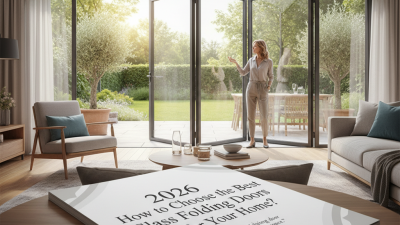
Choosing the right folding doors internal can transform your space. These doors offer versatility and style. They can create an open feel while saving space.
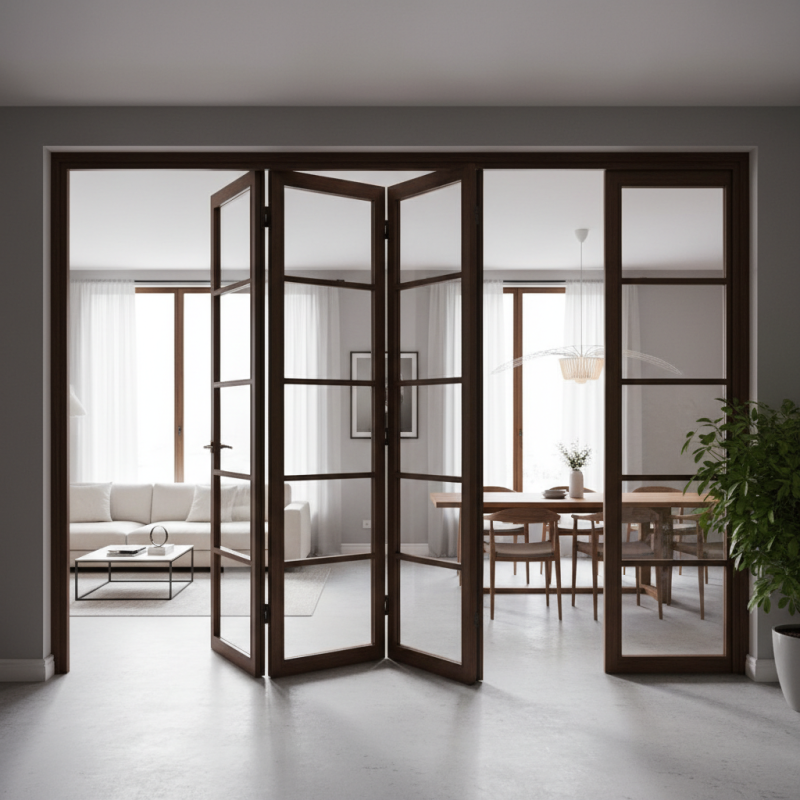
When selecting folding doors internal, consider your room's layout. Think about the materials, colors, and finishes. A wood finish can add warmth, while glass panels enhance light flow.
However, remember that not all options will fit your needs. Sometimes, a door may look good but not perform well. It's essential to strike a balance between aesthetics and functionality. Reflecting on these aspects can lead you to the best choice for your home.
Understanding the Different Types of Internal Folding Doors
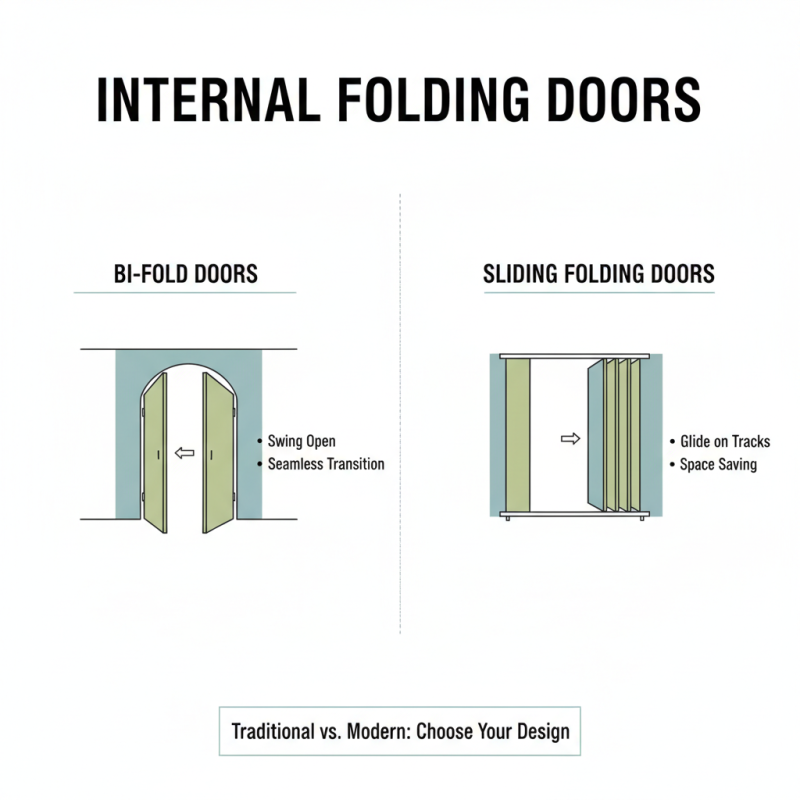
When considering internal folding doors, it's crucial to understand the various types available. Traditional designs, like bi-fold doors, swing open, offering great flexibility. They create a seamless transition between rooms. Alternatively, sliding folding doors glide on tracks. They save space and provide a modern look. Each type serves different purposes in home design.
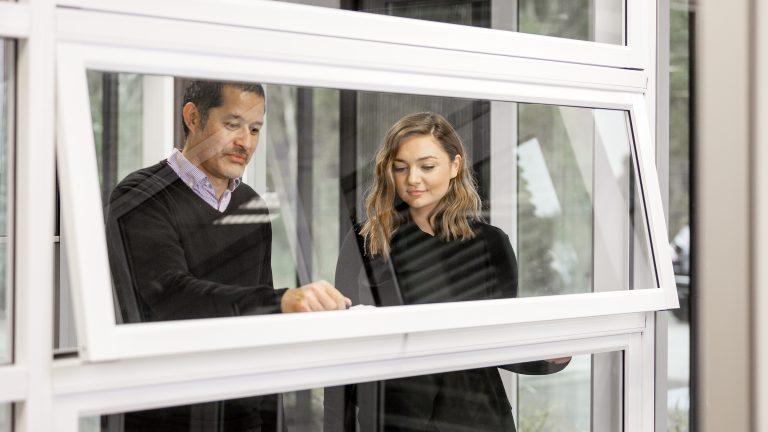
Tips for choosing the right folding door include considering the space available. Measure your openings carefully. Choose a style that complements your home's aesthetic. Think about materials too. Wood gives warmth, while aluminum offers durability. If unsure, explore both options. Test them physically to feel the weight and ease of movement.
Another consideration is the functionality of the doors. Will they be used often? If so, opt for something sturdy. A flimsy design may not hold up. Reflect on your lifestyle. Kids, pets, and daily use can wear down cheaper models quickly. Ultimately, choose a door that meets both your needs and your design preferences. The right decision requires thoughtful reflection and careful attention.
Key Factors to Consider When Choosing Folding Doors for Your Space
Choosing the right folding doors for your home can significantly impact your space. One key factor is material.
Wood offers warmth and charm, while aluminum is sleek and modern. Consider your home’s overall aesthetic. Heavy doors may not suit a minimalist decor. Balance is essential.
Another critical factor is size. Measure your space accurately. Oversized doors can overwhelm smaller rooms. Conversely, too small doors can look out of place.
It's also worth thinking about the door opening direction. Sliding or bi-fold options might work better in specific configurations.
Don’t rush this decision; visualizing the flow of your space is crucial.
Finally, consider energy efficiency. Folding doors can let in natural light but may also affect insulation. Look for products with good thermal performance.
While style is important, reflect on functionality too. Sometimes, the best choice isn't the most beautiful one.
Focus on what serves your needs best.
Evaluating Material Options for Durability and Aesthetics
When choosing folding doors for your home, material matters a lot. Many homeowners often overlook options, focusing only on aesthetics. However, the right material can enhance durability and maintain beauty. Wood offers a classic look but can warp over time. It requires careful upkeep.
Metal doors are robust and modern but may lack warmth.
Consider composite materials as a balance. They provide a stylish appearance while resisting weather effects. Some might worry about their cost. It's essential to weigh budget against longevity.
Glass doors are also popular, allowing natural light to flow. Yet, they can be fragile, necessitating extra caution.
Think about your space too. In a congested area, lighter materials may be more practical. Heavier doors could add a sense of luxury but might also strain on hinges. Reflect on what fits best with your lifestyle. Each option comes with its pros and cons. Making an informed choice will enhance both form and function.
Measuring Your Space for a Perfect Fit with Folding Doors
Measuring your space accurately is crucial when selecting folding doors. A small error can lead to significant issues. According to a study by the Home Builders Association, nearly 30% of homeowners face problems due to incorrect measurements. This not only affects functionality but also aesthetics.
To begin, measure the width and height of your existing doorway. Make sure to account for any flooring, as this can alter the finished look. Always allow for a little extra room; about an eighth to a quarter of an inch is usually recommended. This gap ensures smooth operation.
Consider the swing radius of the folding doors—where will they be when open? An awkward swing can block walkways or reduce usable space. The American Institute of Architects suggests allowing at least 36 inches of clearance for ease of movement. Remember, tight spaces may require specialized designs.
Reflecting on these elements creates a well-fitted solution that integrates seamlessly into your home.
Design Trends and Styles for Modern Folding Door Solutions
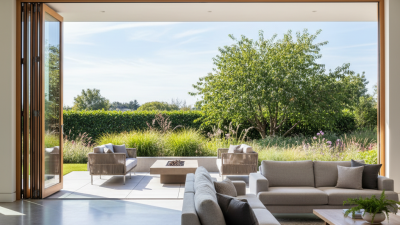
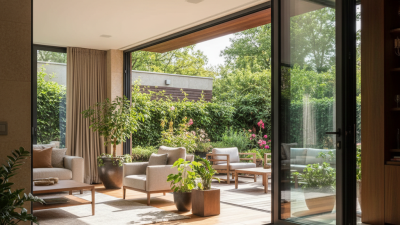
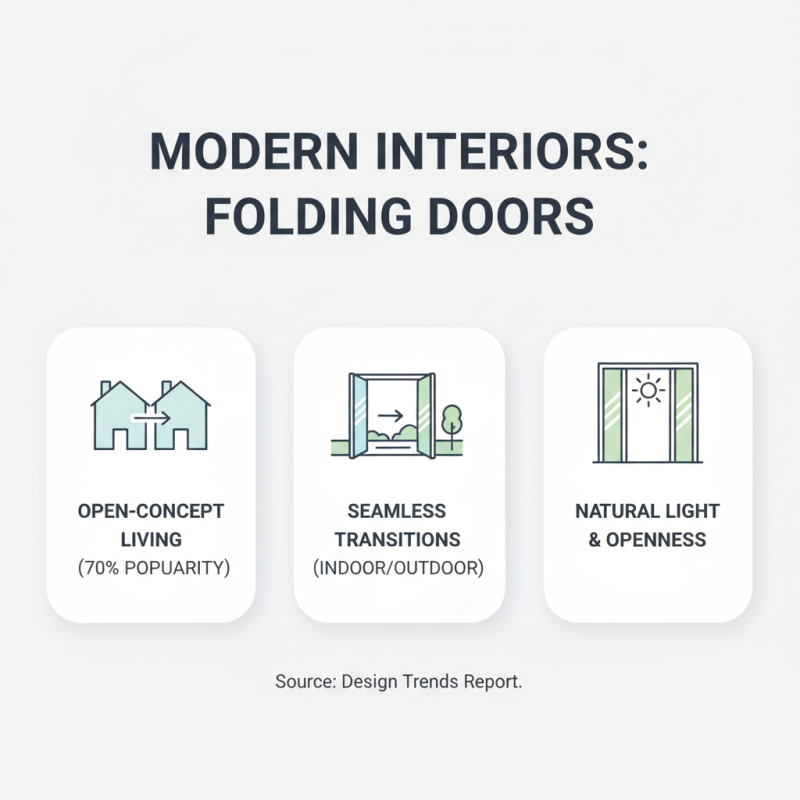
When considering folding doors for modern interiors, design trends and styles play a crucial role. Open-concept living is becoming more popular, with around 70% of homeowners choosing layouts that blend spaces together. Folding doors facilitate this trend by creating seamless transitions between indoor and outdoor spaces. They allow ample natural light while maintaining a sense of openness.
In terms of styles, minimalism remains dominant. Sleek, simple lines and muted tones are favored, with 55% of consumers opting for understated designs that complement their decor. However, some homeowners seek bold statements. Bright colors or patterned frames can create focal points in a room. Yet, these choices can be risky; overdoing vibrant designs may overwhelm a space, making it feel cluttered rather than welcoming.
Materials matter too. Glass panels are in high demand, accounting for 65% of folding door sales. They provide transparency and elegance but can pose challenges with privacy. Homeowners might reflect on how much openness they truly want. Is it better to keep some areas secluded? Ultimately, the choice of folding doors should reflect personal style while serving functional needs.