Get a Quote

How to Choose the Best Bifold Windows?

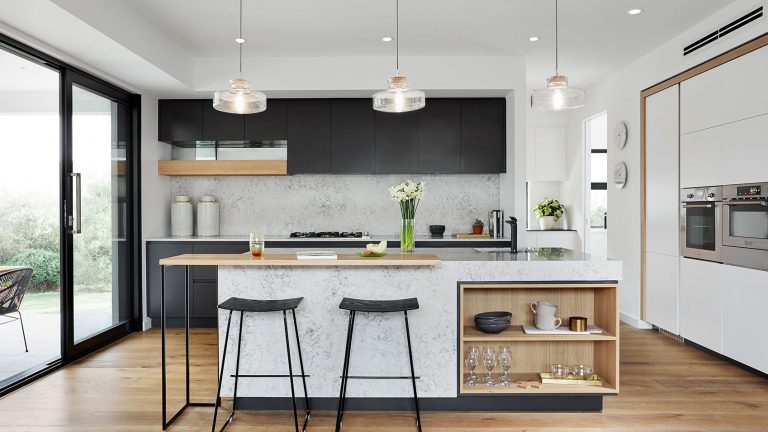
Choosing the right bifold windows involves more than comparing frame colours or opening widths. These systems can transform a dark kitchen into a brighter, connected living space. Yet attractive photographs can hide important performance differences.

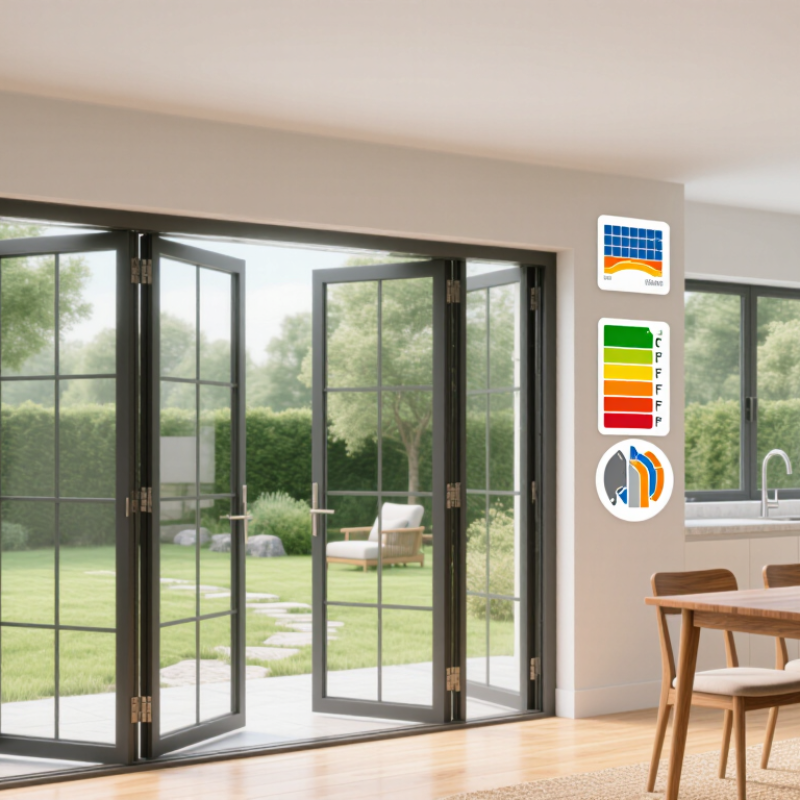
The U.S. Department of Energy reports that windows may account for 25–30% of residential heating and cooling energy use. That figure makes glass selection a practical decision, not merely a design preference. Look closely at U-factor, solar heat gain coefficient, and air leakage ratings. The National Fenestration Rating Council (NFRC) provides independent labels for these measurements. Its certification system helps buyers compare products using consistent performance data. Energy Star guidance also recommends choosing windows suited to the local climate, because ideal glazing varies between a cool northern home and a sun-exposed coastal room.

Start with the opening size, sill drainage, frame material, and installation method. A wide bifold system needs strong hardware and careful alignment. Otherwise, the panels may become difficult to move after seasonal temperature changes. Check whether the manufacturer publishes tested thermal and structural performance. Ask for warranty terms, maintenance instructions, and installer credentials. Small details matter. A low threshold may improve accessibility, but it can require more precise weather sealing. Slim frames may increase daylight, although they do not automatically deliver better insulation.

No window is perfect. My common mistake is focusing too quickly on maximum glass area. In practice, orientation, shading, ventilation, and workmanship can matter just as much. The best bifold windows balance daylight, weather protection, security, operation, and long-term energy performance. That balance should be verified through documented ratings and realistic site conditions, not marketing claims alone.
How to Choose the Best Bifold Windows?

Understanding How Bifold Windows Open and Operate

How to Choose the Best Bifold Windows?

Understanding How Bifold Windows Open and Operate

Bifold windows use several hinged panels that fold together as you open them. A handle releases the locking points, then the panels slide along a track and stack at one side. Some designs open from the center, while others gather all panels to the left or right. The chosen layout affects how much of the opening stays clear.

Smooth movement matters. Look for sturdy rollers, aligned hinges, and a track suited to the window’s size and weight. When trying a sample, open and close it slowly; resistance or rattling may signal poor adjustment. It should feel controlled. Tracks also need occasional cleaning, since grit can make panels drag and wear components sooner.

Think about daily use, not just the widest possible opening. Check whether the folded panels block a tap, work surface, or walkway. A low threshold can make access easier, but the details of drainage and weather seals deserve careful attention. Ask how the window is adjusted after installation and what routine care is required. I used to assume more panels always meant a better view; in practice, extra hinges can add visual lines and moving parts. The right choice depends on the opening, the room, and how often you expect to fold the panels back.
How Bifold Windows Open and Operate

Bifold windows use hinged panels that fold together and slide along a track. This chart shows example panel counts for symmetrical split-stack layouts: half the panels fold to each side.

These are illustrative configurations, not a product specification. Available panel counts and stacking arrangements depend on the window design and opening width.

Assessing Your Space, Opening Size, and Panel Configuration

How to Choose the Best Bifold Windows?

Assessing Your Space, Opening Size, and Panel Configuration

Start with the room, not the product catalogue. Measure the finished opening at the top, middle, and bottom; older walls can be slightly out of square. Note nearby furniture, radiators, and the path people use through the room. A wide opening may suit several folding panels, but every panel needs space to stack without blocking a walkway. Check the sill and floor level, too. Small differences matter.

Panel count affects both the clear opening and daily handling. More panels can create a wider opening, yet add hinges and frames that may reduce the unobstructed view. Ask a qualified installer to confirm structural support, drainage, and the manufacturer’s maximum panel dimensions. The U.S. Department of Energy estimates that windows account for 25–30% of residential heating and cooling energy use. That makes glazing performance and careful installation important alongside appearance. The estimate varies by home, climate, and window condition.

Tips: Sketch the opening and mark furniture, handles, and panel stack space. Compare the clear passage, not just the frame width. Ask for a measured site survey before ordering. I’ve seen plans look generous on paper, then feel cramped once panels fold back. That detail is easy to miss.

Comparing Frame Materials, Glazing, and Hardware

Choosing bifold windows means balancing frame strength, sightlines, insulation, and daily operation. Aluminium frames are slim and resist warping, but they can feel cold without a thermal break. Timber offers a warmer appearance and can suit traditional rooms, though it needs regular care. Composite frames combine materials, but their quality depends on construction, not the label alone. Ask for frame-section details and check how the finish handles scratches.

Glazing matters just as much. Double glazing may suit many homes, while triple glazing can improve insulation in colder climates, though it adds weight. Check the glass specification for low-emissivity coatings, gas fill, and safety glass where required. A sample pane helps you judge tint and reflections in real daylight. Don’t rely on a single energy figure; compare the whole window’s performance, including the frame and seals.

Hardware decides whether a large panel feels easy or frustrating. Look for smooth rollers, adjustable hinges, secure multipoint locks, and handles you can reach comfortably. Open and close a full-size sample if possible. It should move evenly, without scraping or needing a hard shove. Small details matter. Drainage paths and replaceable seals are easy to overlook, and I have seen buyers focus so much on glass that they forget maintenance access. Check the warranty terms and ask who can service the fittings later.

Evaluating Energy Efficiency, Security, and Weather Resistance

How to Choose the Best Bifold Windows?

Energy efficiency starts with the whole window, not just the glass. Compare published U-factor and solar heat gain figures for the exact configuration you plan to buy. Lower heat transfer can help indoors feel steadier, but local climate and window orientation matter. Ask whether the figures include the frame and glass together. A great-looking rating means less if the installed unit has gaps. Small gaps matter. Check that the installer explains how the frame will be sealed to the wall.

Security depends on more than a strong-looking handle. Look for sturdy frame construction, secure hinges, and a locking system that engages at multiple points. Ask how the frame is anchored, especially for wide openings. Laminated glass may be worth considering where added resistance to breakage is a priority. Still, no window makes a home impossible to enter. Test the latch. It should operate smoothly without forcing the panels.

Weather resistance deserves close attention in exposed locations. Inspect the sill design, drainage paths, and seals where panels meet. Ask for performance information on air leakage and water penetration, and check that it applies to the window’s size and configuration. Wind-driven rain can reveal weaknesses that a sheltered display never shows. One detail I would question is a very low price paired with vague installation terms. A good product can still perform poorly if the opening is out of square or the flashing is rushed.

Planning Installation, Budget, and Long-Term Maintenance

Choosing bifold windows is less about appearance and more about planning the whole project. Start with the opening size, wall structure, indoor floor level, and outdoor drainage. A qualified installer should inspect the lintel, sill, and surrounding brickwork before ordering anything. Small measurement errors can create expensive delays.

Set a realistic budget for the window, installation, delivery, structural changes, finishing, and disposal. Request an itemized quotation, not only a product price. Keep an extra 10 to 15 percent for hidden repairs or adjustments. Even careful estimates miss something. That allowance feels frustrating, but it protects the schedule. Ask about thermal performance, glazing type, security hardware, and warranty terms. These details affect comfort and long-term value.

Maintenance should be considered before installation. Choose accessible tracks and ensure water can drain away from the sill. Check hinges, rollers, seals, and drainage channels twice each year. Remove leaves and grit with a soft brush, then use a suitable cleaner. Do not force a stiff panel. It may indicate alignment or roller damage. Lubrication also requires care, since the wrong product can attract dirt. Keep written records of inspections and repairs. A practical maintenance plan is easy to ignore during busy months, yet neglect often turns a minor adjustment into a larger repair.

How to Choose the Best Bifold Windows? — Planning Installation, Budget, and Long-Term Maintenance
Decision Area What to Plan or Check uPVC Frames Aluminum Frames Timber Frames
Best suited to Match the frame to the opening size, desired sightlines, local weather, and the amount of upkeep you are prepared to do. Often chosen for lower initial cost and straightforward routine care. Often chosen for slim frame profiles, larger glazed areas, and a contemporary appearance. Often chosen for a natural appearance and the option to refinish or repair the surface.
Budget planning Compare complete, like-for-like written quotes. Check whether measuring, delivery, removal of old windows, making good, glazing, hardware, and taxes are included. Generally a lower-cost frame option, though specification, size, glazing, and installation can significantly affect the final price. Generally a mid- to higher-cost option; larger units and upgraded thermal breaks can add to the price. Generally a higher-cost option, especially for durable or custom-made timber and factory-applied finishes.
Installation preparation Have the opening measured by the installer. Confirm wall construction, fixing points, sill details, drainage, weather sealing, and access for delivery before ordering. Allow for the installer’s specified frame expansion clearances; do not assume the existing opening is square. Check that the opening and support are suitable for the unit’s weight and the manufacturer’s fixing requirements. Protect the frame from prolonged exposure to moisture during transport, storage, and building work.
Structural considerations Ask a qualified professional to assess whether a new or enlarged opening needs structural support. Do not cut or alter a load-bearing wall without appropriate advice and approvals. Frame choice does not remove the need to verify lintels, supports, and the condition of the surrounding wall. Glazing and frame sizes can create substantial loads; confirm support and fixing details for the specified unit. Confirm that the frame, fixings, and surrounding structure are designed for the unit’s weight and exposure.
Energy performance Compare the whole-window U-factor or U-value, air leakage information, and solar heat gain rating where available. Check local energy requirements and choose glazing for your climate and orientation. Look for a multi-chamber frame and suitable insulated glazing; performance varies by product and configuration. Look for a properly designed thermal break and verified whole-window performance figures. Timber is naturally insulating, but the complete window’s performance still depends on glazing, seals, and construction.
Glazing and comfort Choose safety glazing where required by local codes, such as near doors or in other designated impact-risk locations. Consider noise, privacy, and solar control needs. Specify glazing options based on the same performance targets used for other frame types. Large glazed areas can increase solar gain; consider suitable glass coatings or shading for the site. Glazing selection, spacers, and seals affect comfort as much as the frame material does.
Threshold and weather protection Agree on threshold height, accessibility, water management, and drainage before installation. Weather performance depends on correct detailing as well as the window itself. Follow the system’s sill and drainage instructions; keep drainage paths clear. Confirm the sill design and drainage route, particularly on exposed elevations. Provide suitable protection from standing water and maintain exterior finishes where weather exposure is high.
Routine cleaning Clean glass and frames with a soft cloth and mild soapy water. Avoid abrasive pads and harsh chemicals unless the care instructions specifically allow them. Usually needs occasional washing; inspect seals and drainage openings as part of routine cleaning. Wash periodically and check the finish for damage, especially in coastal or polluted environments. Clean gently and inspect painted or stained surfaces for wear and moisture damage.
Hardware and tracks Follow the manufacturer’s instructions for cleaning and lubrication. Remove grit from tracks and check hinges, locks, rollers, and seals periodically. Keep tracks clear and arrange adjustments if panels begin to drag or do not close evenly. Keep tracks clear; prompt adjustment can reduce strain on rollers and hinges. Keep tracks clear and check alignment, as seasonal movement or finish deterioration may affect operation.
Long-term maintenance Inspect at least annually and after severe weather. Address damaged seals, loose hardware, blocked drainage, or water entry promptly. Typically requires little surface maintenance, but hardware, seals, and drainage still need care. Typically requires little surface maintenance; repair coating damage using an appropriate system to help prevent corrosion. Exterior coatings may need periodic repair or renewal. Timing depends on exposure, coating type, and condition.
Before signing a quote Confirm the measured opening, panel configuration, glazing specification, finish, hardware, warranty terms, installation scope, and who handles building approvals where applicable. Check the stated product specification and warranty coverage for frames, glazing, and hardware. Check the stated thermal-break, finish, glazing, and hardware specifications. Check the timber species or construction, finish system, maintenance guidance, and warranty conditions.

Note: Costs, code requirements, energy ratings, and maintenance needs vary by country, climate, product specification, opening size, and site conditions. Use local written quotes and verified product-performance information when making a final decision.

Back to top