Why Do You Need a Fly Screen for Your Home?
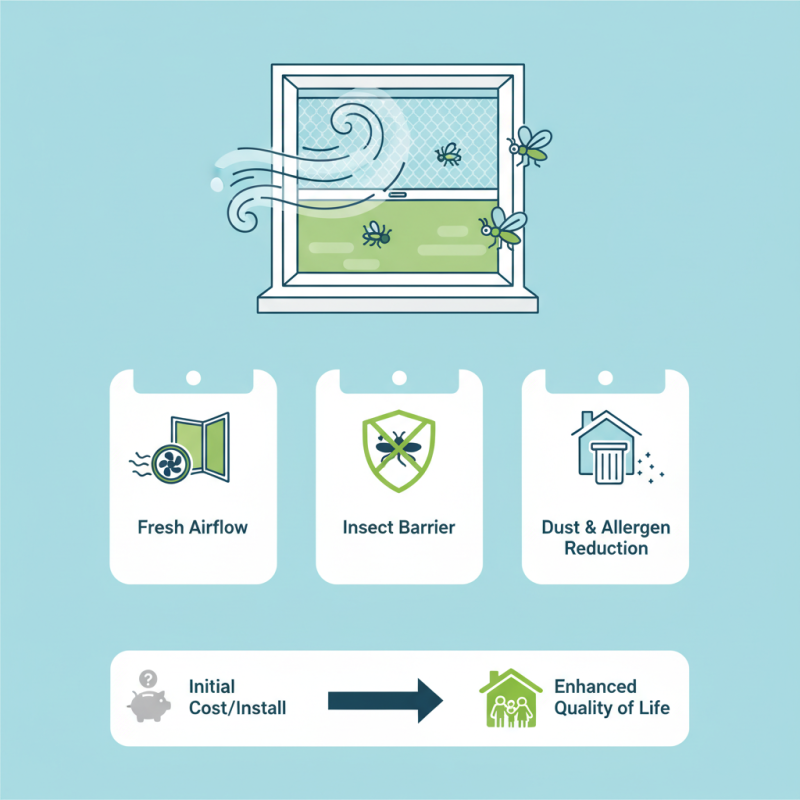
Fly screens are essential for any home. They serve as a protective barrier against insects while allowing fresh air to flow inside. Imagine a warm summer evening where you wish to enjoy the breeze without the buzzing of mosquitoes. A fly screen can make that possible.
Having a fly screen does more than just keep bugs out. It also helps maintain a comfortable environment inside your home. Dust and allergens are kept at bay, too. However, many homeowners overlook the importance of these simple screens. They think they can manage without them. But can they really?
Investing in fly screens for your windows and doors can enhance your quality of life. It creates a peaceful living space. Think about those moments spent with family, free from distractions. Yet, some may hesitate due to costs or installation concerns. Reflecting on these barriers is crucial. In the end, the benefits of fly screens far outweigh the minor inconveniences.
Understanding the Purpose of a Fly Screen in Home Design
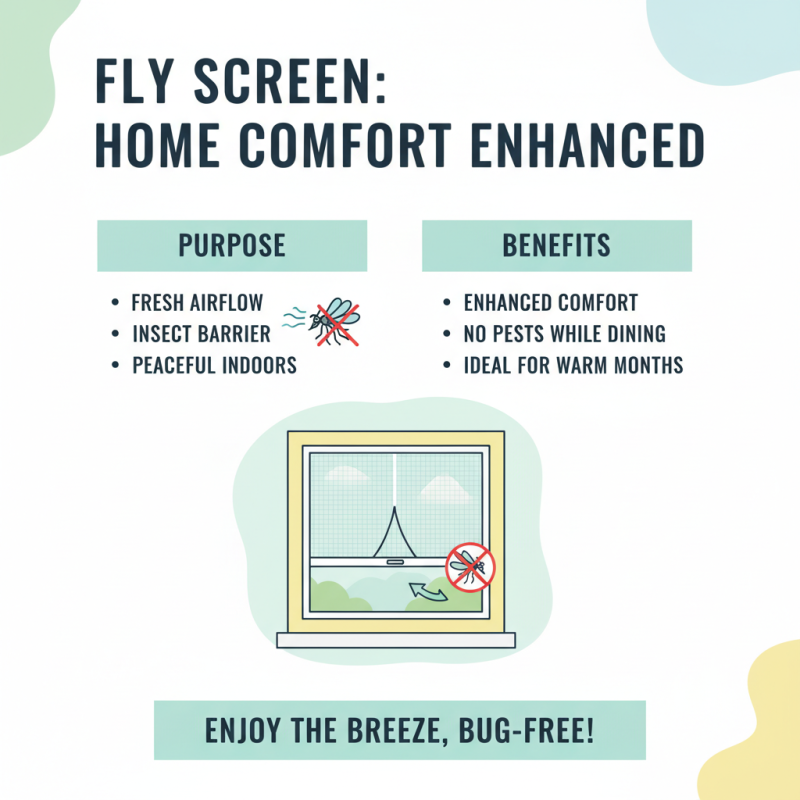
A fly screen serves a vital role in home design. It allows fresh air to flow through while keeping pesky insects out. Imagine enjoying a lovely breeze without worrying about flies buzzing around your food. This simple addition enhances comfort in various rooms, especially during the warm months.
In addition to comfort, fly screens contribute to health. They help reduce the chances of insect-borne diseases. Households with young children or pets benefit greatly from this protection. However, some homeowners overlook how effective a fly screen can be. They might think it's an unnecessary expense until they experience a bug invasion.
Choosing the right design is important too. Fly screens come in various styles and colors, blending with any home’s aesthetic. Yet, the need for regular cleaning to maintain their effectiveness is often forgotten. Dust and debris can accumulate, reducing visibility and airflow. Regular maintenance is key to keeping a fly screen functional. Neglecting it can lead to frustration. A well-considered fly screen is more than a barrier; it's an essential element for a harmonious living space.
Benefits of Installing Fly Screens for Health and Comfort
Installing fly screens can significantly improve your home's health and comfort. Studies show that homes with screens reduce indoor insect populations by up to 80%. This directly lowers the risk of insect-borne diseases. For instance, mosquitoes can transmit viruses like West Nile and Zika. Fly screens provide a barrier, keeping these pests outside.
Beyond health benefits, fly screens enhance comfort. They allow fresh air to circulate while preventing annoying bugs from intruding. Enjoying a breezy day without swatting away flies is a luxury. According to research from the Environmental Protection Agency, good air quality can increase productivity and decrease stress. Fly screens help maintain that quality.
Tips for choosing the right fly screen include considering the mesh size. A mesh with smaller holes blocks tiny insects while allowing good airflow. It's also essential to inspect the frames regularly. Small cracks or gaps can compromise effectiveness. Lastly, opt for easy-to-clean materials. A clean screen not only looks good but also performs better in keeping bugs out.
Benefits of Installing Fly Screens for Health and Comfort
Different Types of Fly Screens Available for Home Use
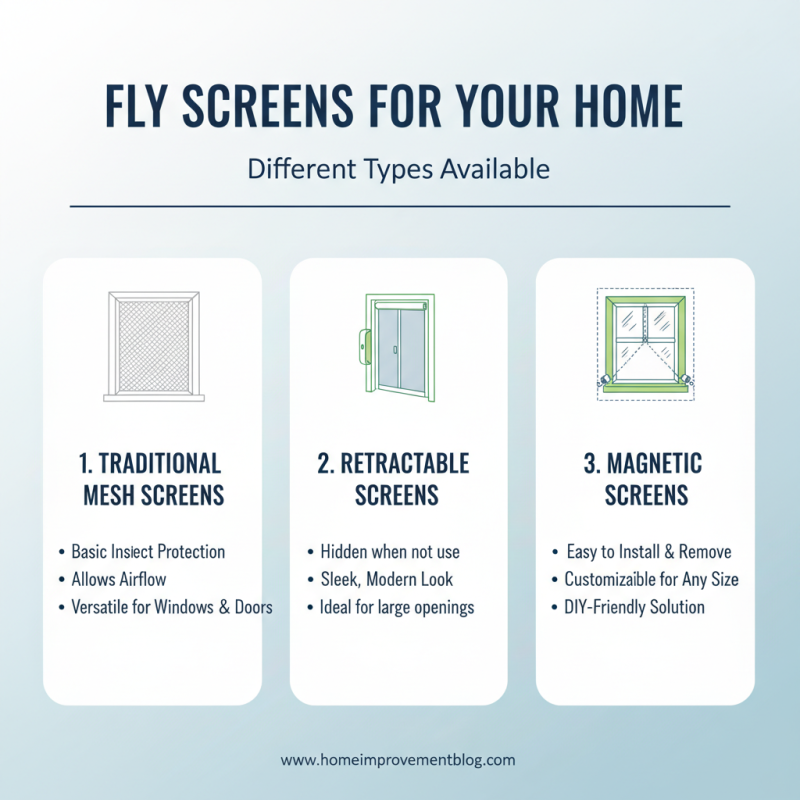
When considering fly screens for your home, it's essential to know the different types available. The most common type is the traditional mesh screen. It provides basic protection against insects while allowing air circulation. These screens can be fitted on windows or doors, making them versatile.
Another option is the retractable fly screen. This design is perfect for those who want flexibility. It rolls up when not in use, maintaining the aesthetics of your home. However, some people forget to retract them, leading to wear and tear over time. It’s a minor issue but worth noting.
Magnetic fly screens are also popular. They’re easy to install and open automatically when you walk through them. However, if not properly aligned, they may not close effectively, letting insects inside. It's crucial to measure accurately before installation to avoid potential gaps. Each type of fly screen has its pros and cons, so consider your home's needs carefully.
How Fly Screens Contribute to Energy Efficiency and Cost Savings
Fly screens can significantly enhance energy efficiency in homes. When windows are left open, they allow fresh air in while keeping insects out. A study from the American Society of Heating, Refrigerating and Air-Conditioning Engineers (ASHRAE) suggests that proper ventilation can reduce the reliance on air conditioning, lowering electricity bills. By maintaining a cooler indoor environment, households can save up to 20% on cooling costs.
Moreover, fly screens act as a barrier against sun exposure. Studies show that excessive sunlight can increase indoor temperatures, leading to higher energy use. By installing these screens, you can block harmful UV rays without compromising airflow. This simple addition can lead to an average energy savings of 10-15% during the hot months.
Despite these benefits, many homeowners overlook fly screens. Some find them unattractive. Others think they are unnecessary. Yet, the long-term savings often outweigh initial costs. Installing effective fly screens offers not just insect protection, but also a potential pathway to a more sustainable home. They promote natural ventilation, which is essential as energy demands rise.
Tips for Choosing the Right Fly Screen for Your Home
When choosing a fly screen for your home, consider several key factors. Material is crucial. Fiberglass screens are durable and resistant to rust. They can withstand harsh weather conditions. Aluminum screens are lightweight but might corrode. Choose the right material based on your environment. A study shows that using the right fly screen can reduce insect penetration by up to 90%.
Next, consider the mesh size. A finer mesh keeps out smaller insects like gnats and mosquitoes. Standard mesh sizes may let in pests you want to avoid. Look for a mesh that balances visibility and protection. A 2022 report indicated that a proper mesh size can also improve airflow by 30%, aiding ventilation without compromising safety.
Lastly, the installation method matters. Some screens require professional help, while others are DIY-friendly. Measure openings accurately to avoid mismatches. Poor fitting leads to gaps, letting unwanted insects in. Studies reveal that ill-fitted screens can increase pest problems by 50%. Reflect on these aspects carefully when choosing your fly screen, as they can have a significant impact on your living space's comfort.
Why Do You Need a Fly Screen for Your Home? - Tips for Choosing the Right Fly Screen for Your Home
| Feature |
Description |
Benefits |
| Material |
Common options include fiberglass, aluminum, and polyester. |
Durability and resistance to rust and UV rays. |
| Mesh Size |
Varies from 18x16 to 20x20 mesh. |
Prevents insects while allowing airflow. |
| Frame Type |
Fixed, sliding, or retractable frames. |
Easy access and customizability. |
| Installation |
DIY kits or professional installation options. |
Cost-effective and customizable solutions. |
| Color Options |
Available in various colors to match your home. |
Aesthetic appeal and blending with home design. |